
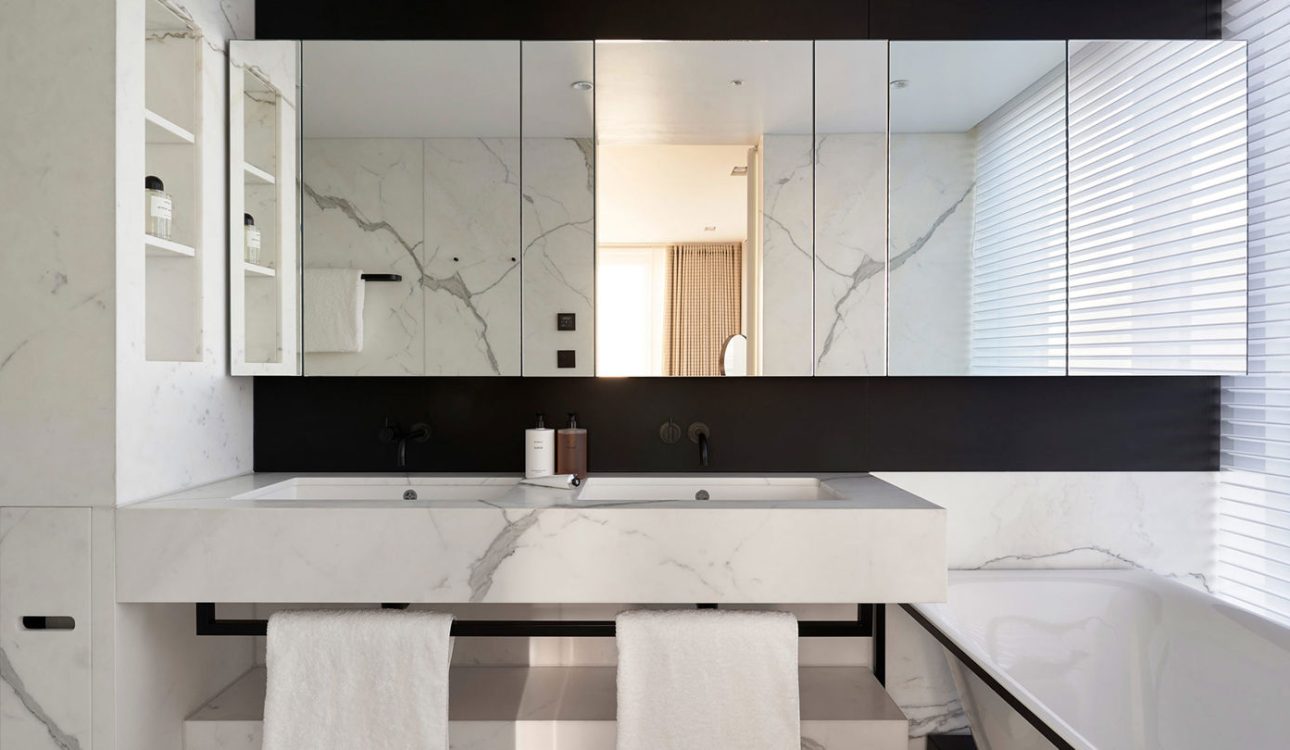
Bathroom Plumbing Guide
Bathroom plumbing is a crucial aspect of home maintenance and renovation. Whether you’re building a new bathroom or updating an existing one, understanding the basics of bathroom plumbing can save you time, money, and headaches. This Bathroom Plumbing Guide will walk you through everything you need to know to ensure your bathroom’s plumbing system is efficient and reliable.
Understanding Bathroom Plumbing
Bathroom plumbing involves the installation and maintenance of pipes, fixtures, and fittings that supply water to and remove waste from your bathroom. It includes components like sinks, toilets, showers, bathtubs, and drains. Understanding bathroom plumbing is essential for troubleshooting problems, planning renovations, and ensuring compliance with local building codes.
Plumbing Tips for Bathrooms
Plan Ahead:
Before starting any plumbing work, create a detailed plan. Consider the layout, fixture placement, and accessibility for future maintenance.Use Quality Materials:
Invest in high-quality pipes, fittings, and fixtures to avoid frequent repairs and replacements.Know Your Shut-Off Valves:
Familiarize yourself with the location of shut-off valves for sinks, toilets, and the main water supply to quickly stop water flow in case of leaks.Regular Maintenance:
Periodically check for leaks, drips, and clogs. Regular maintenance can prevent small issues from becoming major problems.
Bathroom Plumbing Basics
Understanding the basics of bathroom plumbing involves knowing how different systems work together. Here are the key components:
Water Supply Lines:
These bring fresh water to your fixtures. Common materials include copper, PEX, and CPVC.Drain-Waste-Vent (DWV) System:
This system removes wastewater and prevents sewer gases from entering your home. It includes drainpipes, waste pipes, and vent pipes.Traps:
These are curved sections of pipes that hold water to block sewer gases. Every fixture with a drain has a trap.Shut-Off Valves:
These are located near fixtures and allow you to turn off the water supply for repairs without affecting the rest of the house.
Plumbing Installation Tips
Follow Local Codes:
Ensure your plumbing installation complies with local building codes to avoid fines and ensure safety.Slope Drain Pipes Properly:
Drain pipes should have a proper slope to ensure efficient wastewater flow and prevent clogs.Use Teflon Tape on Threads:
Apply Teflon tape to threaded pipe connections to prevent leaks.Secure Pipes:
Use clamps and straps to secure pipes and prevent movement that can cause leaks or damage.
Bathroom Plumbing Installation
When installing bathroom plumbing, the steps to follow are:
Rough-In Plumbing:
Install water supply lines and drain-waste-vent (DWV) pipes before finishing walls and floors.Install Fixtures:
Once the rough-in is complete and walls are finished, install sinks, toilets, showers, and bathtubs.Connect Supply Lines:
Attach water supply lines to fixtures using appropriate fittings and ensure no leaks.Test the System:
Turn on the water supply and test all fixtures for proper operation and leaks.
Bathroom Plumbing Systems
Bathroom plumbing systems include various configurations depending on the layout and size of the bathroom. Common systems include:
Single-Stack System:
All fixtures are connected to a single stack pipe that handles both drainage and venting.Dual-Stack System:
Separate stacks for drainage and venting, providing better performance for larger bathrooms.Wet Venting:
Allows a single vent pipe to serve multiple fixtures, commonly used in small bathrooms to save space.
Bathroom Plumbing Essentials
To ensure a well-functioning bathroom plumbing system, keep these essentials in mind:
Proper Ventilation:
Ensure adequate venting to prevent sewer gases and maintain proper drainage.Adequate Water Pressure:
Maintain consistent water pressure to all fixtures by using pressure regulators if necessary.Accessible Cleanouts:
Install cleanout fittings in accessible locations to facilitate easy maintenance and unclogging.
Conclusion:
By following these guidelines and tips, you can ensure a reliable and efficient bathroom plumbing system in your home, whether you’re in Dubai, Abu Dhabi, and Sharjah, or anywhere else.


